Alvaro Gutierrez-Uzquiza, PhD
Associate Professor (Profesor Contratado Doctor), Department of Biochemistry and Molecular Biology, School of Pharmacy, Universidad Complutense de Madrid.
Principal Investigator, ONCOCRISPR Lab.
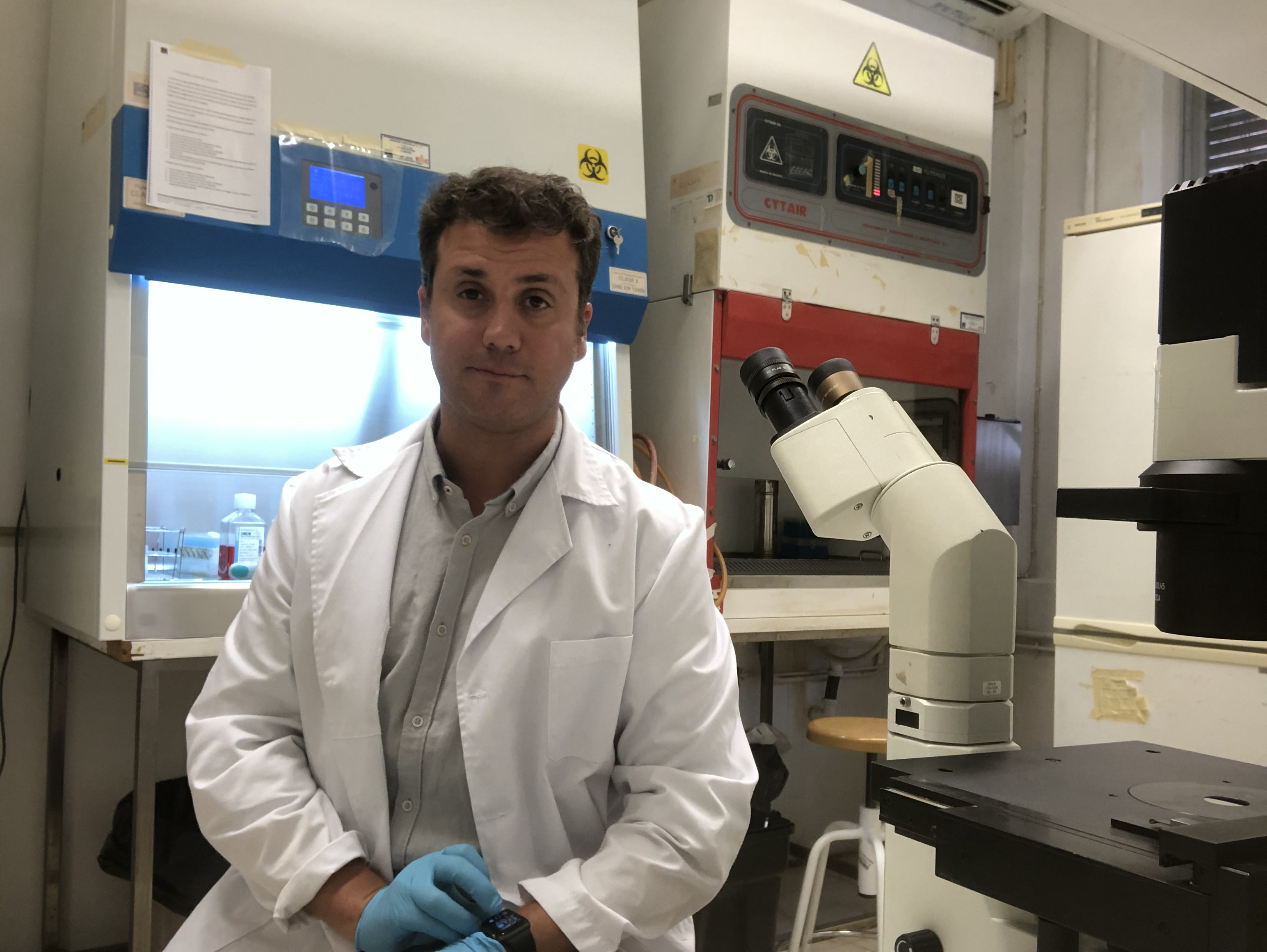 I have always been inclined to pursuing research in human health. During the early steps of my career, I committed myself to study cancer-signaling pathways and devoted my career to work on understanding the molecular basis of cancer and other diseases.
In 2010, I started my post-doctoral training in the Pharmacology Department at the University of Pennsylvania where I was involved in several challenging projects. I was soon awarded with a Cancer Training Award granted by the Department of Defense of The United States of America.
I continued my research on the cancer field in the Department of Cancer Biology at the University of Pennsylvania, Philadelphia, one of the top Cancer Biology departments in the world where I learned the great advantage of the identification of key genes using unbiased high throughput proteomic-based approaches.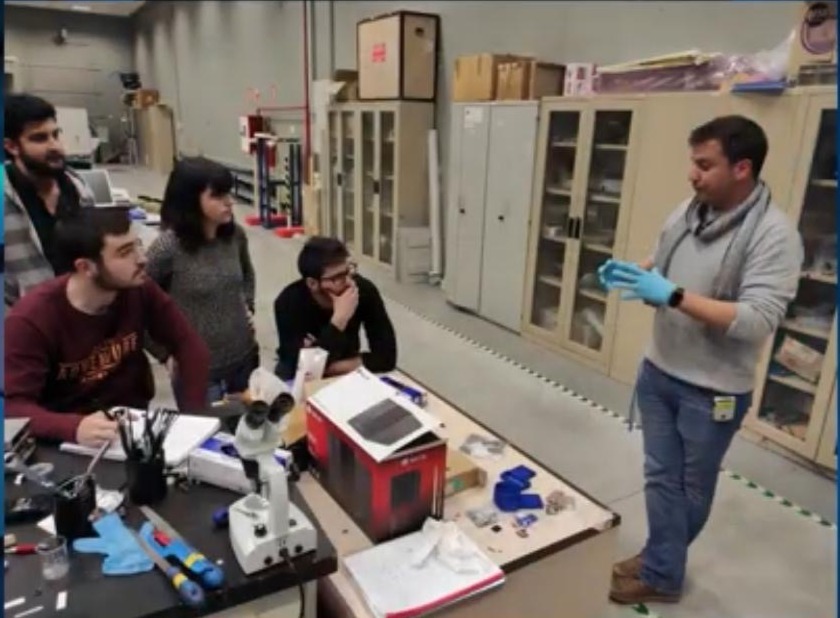
The nature of the research I have performed led to my hiring in 2016 as a Research Scientist at the Center for Applied Genomics (CAG), at the Children’s Hospital of Philadelphia.
After eight years working in world-class laboratories in the USA, I decided to come back to Spain where I am currently applying my expertise in “hard-core” signaling and cancer using CRISPR/Cas9 libraries to unravel new therapeutic targets in prostate metastasis. I have been awarded with the highly competitive “Programa de atracción de talento 2017” from Autonomous government of Madrid entitled “genome-scale screening to identify and validate novel genes essential for prostate cancer metastasis”.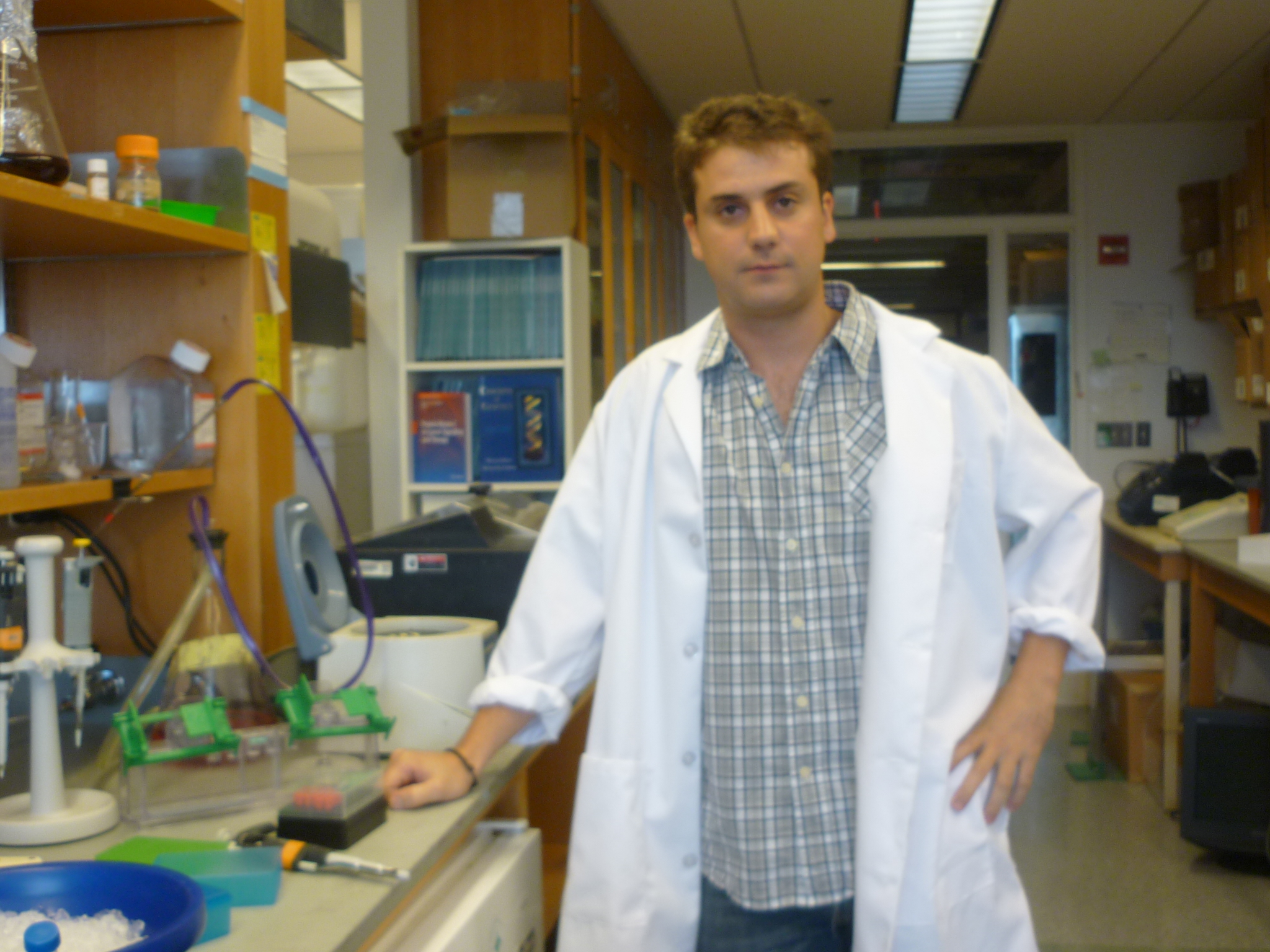
My current work is focused on the unbiased identification of metastasis-associated genes in prostate cancer using a high-throughput loss-of-function genetic screening based on CRISPR/Cas9 libraries to increase our knowledge on the specific mechanisms and pathways involved in the metastatic prostate cancer.

