ONCOCRISPR LAB
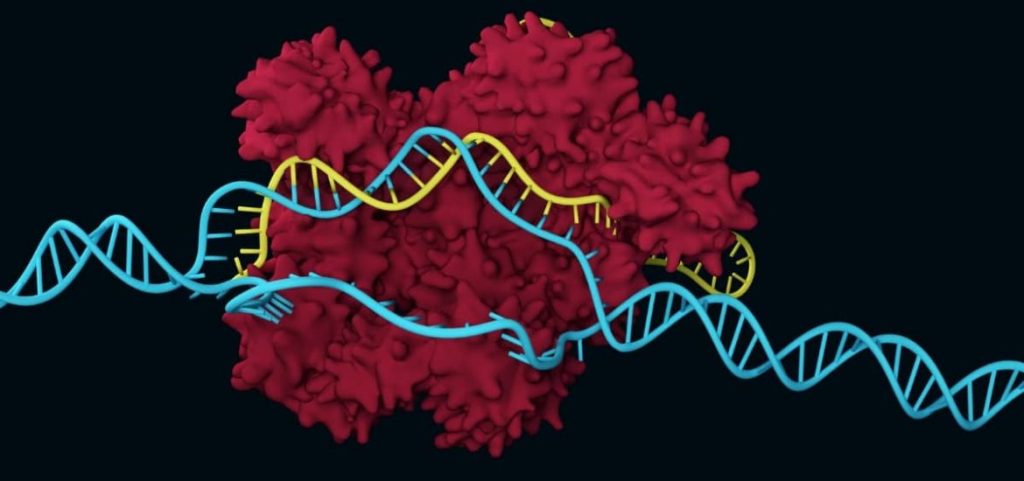
We use CRISPR/Cas9 approaches to identify and characterize essential genes during the metastatic process.
At the ONCOCRISPR Lab we generate genetically modified mammalian cell models to study the role played by different genes during the metastatic process, with the ultimate goal of identifying new therapeutic targets.
We have all the technology and expertise required to test the metastatic properties of these new models both in vitro and in vivo.
We run gain-of-function (GoF) and loss-of-function (LoF) genome-wide CRISPR/Cas9 library screens to identify genes essential for metastasis.
Upcoming events
48th SEBBM International Congress — Tarragona, 7–10 September 2026
21st ASEICA International Congress — Seville, 25–27 November 2026
On the NEWS
SYCP3 drives prostate cancer metastasis — now out in Scientific Reports
The hit that came out of our genome-wide CRISPR/Cas9 screen is now published. SYCP3, a meiosis-specific gene not normally expressed in somatic tissue, is frequently upregulated in prostate tumours from patients at advanced stages. We show that it enhances metastasis and modulates the DNA damage response pathway. Led by María Rodrigo-Faus, with Inés del Monte-García,…
C3G downregulation enhances stemness in glioblastoma through PKM2
New collaborative work on the C3G signalling axis: its downregulation enhances stem-like properties in glioblastoma cells by promoting the upregulation of the glycolytic enzyme PKM2. Cueto-Remacha M, Manzano S, Iniesta-González M, et al. C3G downregulation enhances stemness in glioblastoma cells by promoting PKM2 upregulation. International Journal of Biological Sciences. 2026;22(12):6500-6520.
Neuroinflammation as a driver of Down syndrome-associated Alzheimer’s disease
Our continuing collaboration with the group of Hakon Hakonarson at the Children’s Hospital of Philadelphia examines the role of neuroinflammation as a driver of Alzheimer’s disease in people with Down syndrome. Qu HQ, Snorradottir AO, Gutierrez-Uzquiza A, Kao C, March M, Hakonarson H. Neuroinflammation as a driver of Down syndrome-associated Alzheimer’s disease. Brain, Behavior, and…
Advancing Precision Oncology through CRISPR Genomics.
The Gutiérrez Uzquiza Lab at UCM identifies new therapeutic vulnerabilities in prostate cancer metastasis

